

Most people think of dental cleanings as something that simply keeps their teeth looking good and their breath fresh. But new research is revealing a far deeper connection between oral health and whole-body wellness — including the brain.
A growing number of scientific studies now show that the same bacteria that cause gum disease may also play a role in the development of Alzheimer’s disease. This discovery is changing how doctors and dentists think about chronic infections in the mouth, and it highlights why routine cleanings — including advanced Nd:YAG laser bacterial decontamination — may be one of the smartest health habits you can maintain.
In this article, we’ll break down the newest findings in simple terms, explain why gum disease is more dangerous than most people realize, and show how our hygienists use the latest technology to help protect your mouth — and possibly your brain.
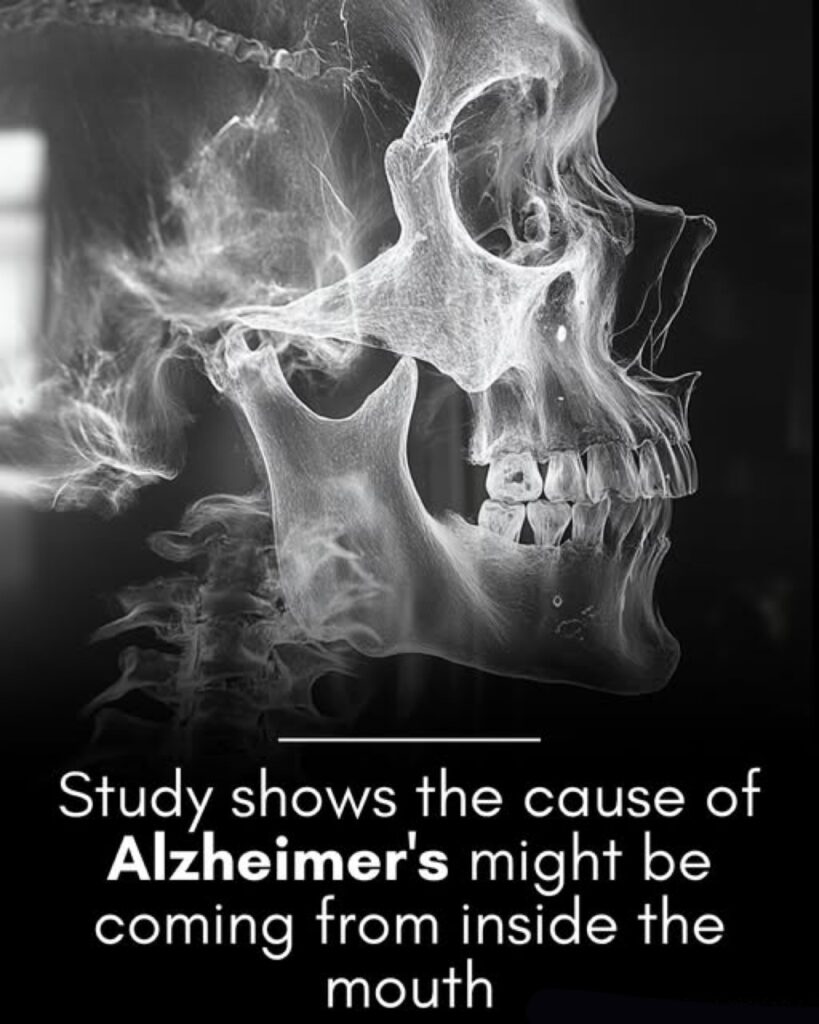
What Scientists Discovered Inside the Brains of Alzheimer’s Patients
A team of researchers published a landmark study showing something surprising:
Porphyromonas gingivalis (P. gingivalis) — the main bacterium responsible for periodontitis — was repeatedly found inside the brains of people who died with Alzheimer’s disease.
This is the same bacterium that destroys the bone around teeth, causes bleeding gums, and leads to tooth loss. For decades, it was considered a local problem — something that stayed confined to the mouth.
But scientists now know this is not true.
P. gingivalis is an anaerobic bacterium, meaning it thrives in environments without oxygen — such as deep periodontal pockets. From there, it can enter the bloodstream and travel to distant organs, including the brain.
In the study, researchers also observed something even more concerning:
Toxic enzymes produced by this bacterium were present in the brains of people showing early Alzheimer’s changes long before memory loss began.
This suggests that chronic gum infections may quietly set the stage for neurological damage years in advance.
Animal Studies Reveal a Cause-and-Effect Relationship
To better understand the connection, researchers conducted controlled experiments with mice.
When mice were purposely infected with P. gingivalis:
- They rapidly developed amyloid-beta plaques, one of the hallmarks of Alzheimer’s disease
- Inflammation in the brain increased
- Cognitive impairment followed
This means the bacteria didn’t just show up in the brain — it triggered the same type of pathological changes seen in human Alzheimer’s patients.
While mice are not humans, and more research is needed, this is one of the strongest signals yet that gum disease may play a direct role in the development or progression of cognitive decline.
Why This Bacterium Is So Harmful
P. gingivalis produces toxic proteins called gingipains, which destroy gum tissue and bone. But these enzymes don’t stop there.
Research shows gingipains can:
- Break down nerve cells
- Promote inflammation in the brain
- Interfere with normal brain repair mechanisms
- Possibly accelerate the buildup of harmful plaques
This growing body of evidence suggests the mouth–brain connection is much stronger than previously believed.
Is Alzheimer’s Infectious? Not exactly — but infection may be a trigger
It’s important to clarify that Alzheimer’s is not contagious. But mounting evidence suggests that in some individuals:
Chronic oral infections may act as a trigger that accelerates or worsens the disease.
This doesn’t mean gum disease alone causes Alzheimer’s, but it may be one of several contributing factors — especially in people already genetically or metabolically vulnerable.
What this research does tell us is simple:
Taking care of your gums is taking care of your brain.
A New Hope: Treatments Targeting Gum Bacteria
Based on these discoveries, scientists are now exploring therapies that specifically target the gingipains produced by P. gingivalis.
One experimental drug, COR388, showed promising results in animal studies by:
- Lowering the amount of bacteria
- Reducing amyloid-beta buildup
- Improving inflammation levels
While large human trials are still in progress, this research underscores how seriously the medical community is taking the connection between oral bacteria and Alzheimer’s disease.
But you don’t need a prescription drug to start lowering your risk.
How Routine Cleanings and Nd:YAG Laser Decontamination Can Help
Our hygienists use an advanced technology known as Nd:YAG laser bacterial decontamination during routine cleanings to help eliminate harmful bacterial colonies below the gumline.
Here’s why this matters for P. gingivalis:
Nd:YAG laser energy penetrates deep into periodontal pockets
This is exactly where anaerobic bacteria like P. gingivalis thrive.
It selectively targets and destroys pigmented bacteria
P. gingivalis is a pigmented anaerobe — and Nd:YAG wavelengths are particularly effective against this class of bacteria.
It reduces bacterial load more thoroughly than hand instruments alone
Even the best mechanical cleaning cannot reach every microscopic bacterial reservoir. The laser adds a second layer of decontamination.
It reduces inflammation
Less inflammation means healthier gums and a healthier immune response.
It creates a cleaner, healthier environment that supports healing
Which is crucial for patients with early gum disease.
We always emphasize:
Laser therapy is not a cure for Alzheimer’s, nor is it marketed as one.
But reducing chronic oral infection — especially from bacteria now linked to brain inflammation — is a meaningful step toward overall health.
Who Should Consider Laser Decontamination?
We recommend Nd:YAG laser therapy during cleanings for:
- Anyone with bleeding gums
- Anyone with a history of gum disease
- Patients with deep pockets or bone loss
- Patients with family history of Alzheimer’s or dementia
- People who want the most comprehensive prevention available
It is painless, fast, and scientifically supported as an effective way to reduce bacterial infection.
Your Dental Cleaning Is More Important Than You Think
The idea that gum disease is “just bleeding gums” is outdated. Modern research now shows that oral bacteria can influence:
- Heart disease
- Diabetes
- Premature birth
- Stroke
- And now… possibly Alzheimer’s
Your mouth is not separate from your body — everything is connected.
This is why our hygiene team focuses not only on polishing your teeth, but on deep periodontal wellness using the latest technology.
A routine cleaning should be part of your long-term health plan, just like going to the gym, eating well, and monitoring blood pressure.
Take the Next Step for Your Health
If it has been more than six months since your last cleaning, or if you are concerned about gum disease or brain health, now is the perfect time to schedule with our hygienist.
Our Nd:YAG laser therapy is:
- Non-invasive
- Comfortable
- Scientifically supported
- Designed to reduce the bacteria most associated with periodontal and systemic inflammation
Your mouth is the gateway to your body — and protecting it may help protect much more than your smile.
Call us today to schedule your routine cleaning and Nd:YAG laser decontamination. Your gums, and potentially your brain, will thank you.
